Wanstead Flats bulky waste collection and clearance guide
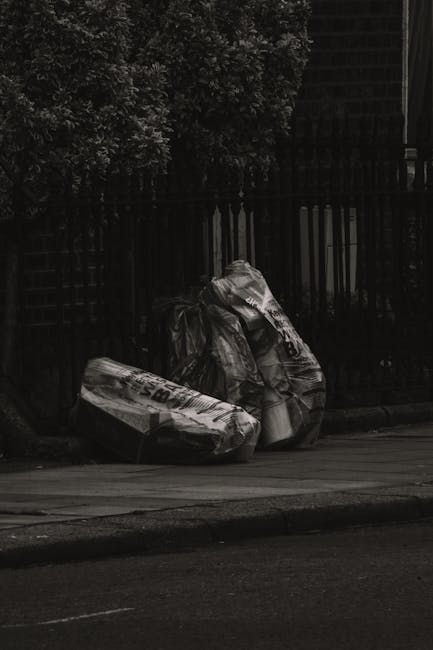
If you are trying to clear a bulky item near Wanstead Flats, the task can feel oddly complicated for something that sounds simple. A mattress, old sofa, broken wardrobe, garden table, or a few heavy bags can quickly become a weekend headache. This Wanstead Flats bulky waste collection and clearance guide breaks the process down in plain English so you can make the right call, avoid common mistakes, and get the job done without unnecessary stress.
Whether you are clearing one awkward item or a full room's worth of clutter, the best approach depends on access, item type, timing, and how much lifting you want to do yourself. Let's face it, nobody really enjoys dragging a heavy sofa down stairs on a wet London morning. The good news is that with a bit of planning, bulky waste disposal can be straightforward.
In this guide, you will learn what bulky waste collection usually involves, how clearance services work around Wanstead Flats, what to check before booking, and how to choose a practical method that suits your home, flat, or business.
Why Wanstead Flats bulky waste collection and clearance guide Matters
Wanstead Flats is a busy, lived-in part of East London. That means homes, shared stairwells, flats, terraces, shops, offices, and garden spaces all produce bulky waste in very different ways. A one-size-fits-all solution usually does not fit at all. A bulky item left outside too long can become an eyesore, attract complaints, or create a safety issue. In a shared building, it may also block hallways or fire exits, which is nobody's idea of a small problem.
Bulky waste also tends to be emotionally loaded. One item can represent a house move, a bereavement, a refurb, or simply the point where life has got a bit too full. We see this often in home and house clearances, where the practical task of removal sits alongside the need for reassurance and respect. That is why a good bulky waste collection plan should be about more than just lifting and loading.
There is also a cost angle. If you choose the wrong method, you may end up paying twice: once in time, and again in extra charges, missed collections, or damaged property. A clear guide helps you compare options calmly and choose what actually fits your situation. If you are also dealing with other items, it may be worth looking at related services such as furniture disposal, mattress and sofa disposal, or broader waste removal support.
Expert summary: bulky waste is easiest to manage when you sort it early, understand what can be removed together, and match the service to access conditions. That simple bit of planning saves hassle later. Every time.
How Wanstead Flats bulky waste collection and clearance guide Works
Bulky waste collection usually means removing large items that are too heavy, awkward, or inconvenient for normal bin collection. Think sofas, armchairs, wardrobes, beds, tables, broken white goods, dismantled furniture, and large garden pieces. In practice, the process can happen in a few ways depending on who is collecting, how much you need cleared, and whether items must be carried from inside the property.
For many people, the main decision is between council-style collection, a private clearance service, or a self-managed trip to a waste facility if appropriate. Each option has pros and cons. A council collection may suit a single item or two, but it can involve fixed collection windows and restrictions. A private clearance team is usually more flexible, especially if you need fast turnaround, multiple items, or help from inside the property. If you are clearing a flat with tight stairs or awkward access, that extra flexibility really matters.
When a clearance service is used, the process often looks like this:
- You describe the items, location, access, and urgency.
- A quote is prepared based on volume, weight, labour, and item type.
- A collection time is agreed.
- Items are removed from the agreed location.
- Anything suitable is sorted for reuse, recycling, or responsible disposal.
For mixed loads, it is useful to ask whether the provider can handle items beyond standard furniture. For example, if your clear-out includes appliances, it helps to check specific services such as fridge and appliance removal. If there are items that may require more careful handling, such as chemicals or paint, then hazardous waste disposal is the safer conversation to have. Not everything should go in the same pile, no matter how tempting that is on a busy day.
Key Benefits and Practical Advantages
The biggest advantage of organised bulky waste clearance is control. You decide when the items go, how much help you want, and what happens to reusable materials. That sounds basic, but it is often the difference between a smooth clear-out and a messy, dragged-out job that sits in the hallway for three days.
Some of the most practical benefits are easy to underestimate:
- Less lifting for you: bulky items are awkward, especially on stairs or through narrow doorways.
- Faster turnaround: a well-planned collection can clear a room in one visit.
- Better use of space: once the big stuff is gone, everything else becomes easier to organise.
- Safer premises: removing clutter reduces trip hazards and blocked routes.
- Cleaner recycling outcomes: responsible sorting helps keep reusable items out of general disposal streams.
There is also a calmness factor. Once the bulky items are out, the whole place feels lighter. You notice it immediately. A room stops looking like a storage problem and starts looking like a room again. That can be a relief if you are preparing for a move, sale, refurbishment, or post-tenancy handover.
For larger projects, you may also want to combine bulky item removal with related clearance work. For example, a cluttered spare room may need flat clearance or house clearance, while a full property reset could sit alongside home clearance. The benefit is fewer separate bookings and less back-and-forth. Simple, really.
Who This Is For and When It Makes Sense
This guide is useful if you are a homeowner, tenant, landlord, letting agent, business owner, or managing agent near Wanstead Flats and you need to move large items quickly and properly. It also helps if you are helping a relative, sorting a property after a move, or dealing with overflow after a renovation.
Here are common situations where bulky waste collection makes sense:
- You have one or two large items that will not fit in standard bins.
- You are clearing a room after a move or refurbishment.
- You are dealing with furniture that is too heavy to carry safely.
- You need access-based removal from upstairs, a basement, or a tight hallway.
- You have a mixed load including furniture, appliances, or garage clutter.
- You want a responsible disposal route without hiring a vehicle yourself.
It can also make sense when time is tight. A shared building in particular can become awkward if bulky items are left in communal areas. You do not want neighbours stepping around an old sofa for a week. Nobody does.
If the items include office furniture, filing cabinets, or surplus work equipment, you may be better served by office clearance or, for business premises more broadly, business waste removal. If the job is mainly storage overflow, then garage clearance or loft clearance may be the better fit.
Step-by-Step Guidance
If you want a clean, sensible process, start here. In our experience, the smoother collections always come from the same basic steps, even when the job looks messy at first.
- List everything you want removed. Be honest about the full pile. If you think there may be a second chair, a broken shelf, and a mystery box in the corner, include them now rather than later.
- Separate bulky items from special waste. Put aside anything potentially hazardous, electrical, or confidential. Do not mix it all together.
- Check access. Note stairs, lifts, parking, loading space, narrow gates, or long carries. Access changes the job more than people expect.
- Measure the awkward stuff. A sofa that looks manageable in the room may be a nightmare through the hallway. A tape measure saves embarrassment.
- Decide what can be dismantled. Breaking down a bed frame or wardrobe can make removal easier, but only if you are comfortable doing it safely.
- Request a quote based on the real load. Accurate descriptions usually produce better pricing and fewer surprises.
- Prepare the area. Clear a path, protect floors if needed, and keep pets or children away during lifting.
- Confirm the collection plan. Know who is coming, when, and whether they will collect from inside or outside the property.
- Ask about sorting and reuse. If items are in fair condition, some providers may separate reuseable pieces before disposal.
- Keep your paperwork or booking details. It sounds boring. It is useful, though, especially if you are managing a landlord, tenancy, or commercial property handover.
If your clearance includes items like soft furnishings or mattresses, it can help to check specialised pages such as mattress and sofa disposal and furniture clearance. That way you are matching the item type to the service rather than hoping everything will somehow fit. Hope is not a disposal strategy.
Expert Tips for Better Results
A few small choices make a surprisingly big difference. The first is to sort by removal difficulty, not just by item type. In other words, place the hardest-to-carry or most awkward items where they can be reached first. That keeps the collection efficient and reduces the need for reshuffling on the day.
Second, be careful with what you call "just rubbish." Some items are fine to remove as normal bulky waste, but others need extra care. Batteries, chemicals, fridges, and certain electricals should be treated separately. If you are not sure, ask before the collection day. It is quicker than untangling a problem later.
Third, think about what could be reused. A service with a strong recycling ethic may be able to route suitable items away from disposal. If that matters to you, look at the provider's recycling and sustainability approach. Truth be told, most people want their unwanted things handled properly once they are out of the house. Fair enough.
A few more practical pointers:
- Photograph the items before booking if the load is hard to describe.
- Tell the provider about parking restrictions early.
- Remove personal belongings from drawers, cushions, and pockets.
- Check whether items must be moved from upstairs or outside only.
- Keep the collection route as short and clear as possible.
If you are booking a wider property clear-out, it can be helpful to read about the provider's approach to insurance and safety and health and safety policy. That does not sound thrilling, but it tells you a lot about how seriously they take the job.
Common Mistakes to Avoid
The most common mistake is underestimating volume. People often describe a pile as "a few bits" and only later realise it takes a van load and a half. That is not a disaster, but it can change the quote and timing. Better to over-explain than under-describe.
Another frequent issue is forgetting access. A collection for a ground-floor property with parking outside is a very different task from one involving four flights of stairs and no nearby loading space. Small detail, big impact.
Other mistakes worth avoiding:
- Leaving sorting until the last minute. This slows everything down on the day.
- Mixing restricted items with general bulky waste. That can create compliance problems.
- Not checking whether items are reusable. Usable furniture may be better separated.
- Blocking communal areas. Shared spaces should stay clear.
- Choosing purely on price. Cheap is not always efficient, especially if the job needs care.
One slightly silly but very real mistake is assuming every old item is "too far gone" to matter. Sometimes one broken chair leads to a whole room of things that could have been handled in a single visit. Funny how that happens.
Tools, Resources and Recommendations
You do not need a shed full of equipment to manage bulky waste properly, but a few basic tools help enormously. A tape measure, sturdy gloves, parcel tape, bags for loose parts, and a screwdriver set are often enough for basic prep. A dolly or sack truck can help too, though not every household has one lying around. Most people do not, to be fair.
Useful resources and pages to think about during planning include:
- pricing and quotes if you want to understand how the job may be assessed.
- book online if you already know what needs collecting and want to move quickly.
- what can go in a skip if you are comparing bulky waste clearance with skip-style disposal.
- confidential shredding if paper records or sensitive documents are mixed into the clear-out.
For special items, the right service matters more than the fastest one. A fridge, for example, is not just "another heavy object". Likewise, a sofa may need handling that is different from a dismantled table. Matching the service to the item keeps things tidy and avoids awkward surprises.
Law, Compliance, Standards, or Best Practice
When bulky waste is removed in the UK, good practice means using a route that avoids fly-tipping, unsafe handling, and contamination of recyclable materials. You do not need to become an expert in waste law to make a sound choice, but you should expect any responsible provider to know what can be taken, how it should be transported, and what needs separate treatment.
As a customer, a sensible standard is simple: ask where the waste goes, how mixed loads are separated, and whether special items are handled differently. That is especially important for anything electrical, hazardous, or confidential. If a company seems vague, that is worth paying attention to. A bit of caution goes a long way.
Best practice also includes clear communication about access, item type, and any risks on site. If there are stairs without lifts, parking issues, low ceilings, sharp edges, or fragile flooring, say so early. It is not being difficult. It is being careful.
For your own records, especially with tenancies, businesses, or managed properties, it is sensible to keep booking confirmations and any collection notes. That creates a clean paper trail and helps avoid confusion later. Not glamorous, but very useful.
Options, Methods, or Comparison Table
If you are deciding how to get rid of bulky waste near Wanstead Flats, the right choice usually comes down to speed, convenience, item type, and how much labour you want to do yourself. Here is a simple comparison.
| Method | Best for | Strengths | Watch-outs |
|---|---|---|---|
| Scheduled bulky waste collection | Single items or a small number of large items | Can be cost-effective and straightforward | May have fixed dates, limited item types, or placement rules |
| Private bulky waste clearance | Mixed loads, urgent jobs, awkward access | Flexible timing, lifting support, room-to-room collection | Usually depends on load size, labour, and access |
| DIY disposal | People with the right vehicle and time | Full control over timing | Heavy lifting, parking, loading, and disposal responsibility |
| Combined property clearance | Homes, flats, or estates with lots of clutter | Efficient for larger or mixed projects | Needs clear planning and item sorting |
A practical rule of thumb: if your job involves stairs, multiple items, or a tight deadline, a private clearance route is often the least painful option. If it is one relatively simple item and you are not in a rush, a scheduled collection may be enough. The "best" option is the one that fits the actual job, not the one that sounds neat on paper.
Case Study or Real-World Example
A common real-world scenario goes like this. Someone in a flat near Wanstead Flats wants to clear a tired sofa, a mattress, two broken office chairs, and a stack of packaging after a small refurb. They also have a cramped stairwell and very little parking nearby. At first glance, it feels like a series of separate jobs. In reality, it is one mixed bulky waste collection with a couple of item-specific considerations.
The useful step was not rushing to remove everything immediately. First, the items were grouped by type. The sofa and mattress were identified for specialist disposal, the chairs were set aside with the rest of the bulky furniture, and the packaging was separated from the heavy items. Access was checked, the route through the property was cleared, and the booking description was updated so the collection team knew what to expect.
The outcome was simple: fewer delays, less carrying back and forth, and no awkward day-of-surprises. That is often what good clearance looks like in practice. Not dramatic. Just calm, tidy, and done.
The same approach works for larger family homes too, especially when the job spreads across more than one space. If you are doing that kind of clear-out, a related page like loft clearance can be helpful because lofts and storage spaces tend to hide the most awkward items.
Practical Checklist
Use this before you book or on the morning of collection.
- List every bulky item you want removed.
- Separate anything electrical, hazardous, or confidential.
- Check stairs, lifts, parking, and access routes.
- Measure the largest items if they look awkward.
- Decide whether any furniture needs dismantling.
- Clear a path from the item to the exit.
- Keep pets and children away from lifting areas.
- Photograph the items if you need to confirm the load.
- Ask about reuse, recycling, and special handling.
- Keep your booking details handy for the collection day.
If your clear-out includes outdoor clutter, broken planters, or garden furniture, it may also be worth reviewing garden clearance. Small categories matter. They really do.
Conclusion
Bulky waste collection around Wanstead Flats should not feel like a mystery. Once you know what you have, where it is, and how it needs to be moved, the whole process becomes much more manageable. The smartest approach is usually the one that balances convenience, safety, and proper disposal rather than just chasing the quickest fix.
Take a few minutes to sort the items properly, check the access, and choose a service that fits the job. That small bit of preparation saves time, avoids stress, and makes the clearance feel controlled instead of chaotic. And honestly, when the last bulky item is finally gone and the space opens up again, it is a genuinely good feeling.
Get a free quote today and see how much you can save.
Frequently Asked Questions
What counts as bulky waste near Wanstead Flats?
Bulky waste is usually any large household or commercial item that is too big, awkward, or heavy for regular bin collections. Common examples include sofas, mattresses, wardrobes, tables, chairs, and large appliances.
Is bulky waste collection the same as household clearance?
Not quite. Bulky waste collection normally focuses on large individual items or small loads, while household clearance can cover a wider mix of contents from rooms, lofts, garages, or whole properties.
Can I leave bulky items on the pavement?
It is usually better not to. Items left outside can obstruct walkways, look untidy, and create complaints or safety issues. Arrange removal for the agreed time instead, and keep communal areas clear.
How do I know if I need furniture clearance or waste removal?
If the job is mainly sofas, beds, wardrobes, or other reusable household pieces, furniture clearance or furniture disposal may be the better fit. If the load is mixed and includes broader rubbish or debris, waste removal may be more suitable.
What if my bulky items are upstairs?
That is common in flats and older houses. Tell the provider in advance so they can plan the labour and access properly. Stairs, tight turns, and shared entrances all affect how the job is handled.
Can broken appliances be collected with other bulky waste?
Sometimes yes, but it depends on the item and the service. White goods and appliances often need separate handling, so it is wise to mention them early and check the collection conditions first.
Should I dismantle furniture before collection?
If you can do it safely, dismantling large items can make removal easier and quicker. But do not force it. If screws are stripped or the piece is unstable, it may be better to leave it intact and explain the issue.
What is the best option for a flat with limited access?
A private clearance service is often the easiest choice for flats with narrow stairwells, no lift, or awkward parking. The flexibility is usually worth it when access is tight.
How far in advance should I book?
As early as you can if the job is time-sensitive. For routine clearances, a little notice helps. For urgent moves, post-tenancy deadlines, or renovation handovers, quicker booking is often necessary.
Can bulky waste be recycled?
Often yes, at least in part. Many items can be separated for recycling or reuse, depending on condition and material. Asking about recycling and sustainability is a sensible move if that matters to you.
What should I do with hazardous or confidential items?
Keep them separate from your bulky waste pile. Hazardous materials and confidential documents should be handled through the appropriate route, not mixed in with general furniture or junk.
How do I compare providers without getting overwhelmed?
Focus on four things: what they will collect, how they handle access, whether they explain pricing clearly, and how they deal with recycling or special items. Those four points tell you most of what you need to know.
If you want to learn more about the company behind these services, you can also read about us or visit the contact us page for next steps.